

/https%3A%2F%2Fdose.ca%2Fapp%2Fuploads%2F2026%2F06%2F111.png)
Free time looks different in 2026 than it did only a few years ago. Technology plays a role, but it does not explain everything. People have changed the way they organize their days, communicate with others, and choose entertainment. Many activities that once required planning now fit into short breaks between work, study, family responsibilities, and daily tasks.
Online entertainment remains part of this shift. Discussions about digital leisure often include platforms connected to streaming, gaming, social interaction, and services such as Rooksbet. People rarely view these activities as separate categories anymore. Instead, they move between different forms of entertainment throughout the day depending on their schedule, interests, and available time.
The idea of free time itself has also changed. Earlier generations often separated work and leisure more clearly. In 2026, many people switch between responsibilities and recreation several times during a single day. Someone may answer messages, watch a short video, read an article, listen to a podcast, and join an online discussion within the same hour.
As a result, leisure habits continue to evolve. People seek activities that fit naturally into modern routines rather than requiring large blocks of uninterrupted time.
Short Sessions Replace Long Commitments
One of the clearest trends involves the length of leisure activities. Many individuals prefer shorter experiences that fit easily into busy schedules.
Several factors contribute to this change:
- Remote and hybrid work schedules create different daily routines.
- Mobile devices allow access to entertainment almost anywhere.
- People often divide attention between several interests.
- Digital platforms make content available instantly.
- Flexible schedules encourage spontaneous decisions.
This does not mean attention spans have disappeared. People still enjoy long movies, books, sports events, and documentaries. However, they often consume these experiences in smaller segments rather than during a single sitting.
A person may watch part of a documentary during lunch, continue later in the evening, and finish the final section the next day. This pattern appears across many forms of entertainment.
Streaming Continues to Shape Leisure Habits
Video content remains a major part of free time in 2026. Streaming services offer movies, series, educational programs, sports coverage, and live events.
People increasingly choose content based on mood rather than fixed schedules. Instead of waiting for specific broadcast times, they decide what to watch whenever they have available time.
The following table highlights common viewing patterns:
| Activity | Typical Viewing Length |
| Short videos | 1–10 minutes |
| News segments | 5–20 minutes |
| Television episodes | 20–60 minutes |
| Sports highlights | 5–15 minutes |
| Feature films | 90–150 minutes |
Many households also watch content together while using separate devices at the same time. Family members may sit in the same room yet engage with different forms of media.
This behavior reflects broader changes in how people consume information and entertainment.
Gaming Reaches Wider Audiences
Gaming continues to attract people from different age groups. The activity no longer belongs primarily to younger audiences. Adults, retirees, students, and working professionals all participate in some form of gaming.
The variety of available options explains much of this growth. Some players enjoy strategy titles. Others prefer puzzle games, sports simulations, cooperative experiences, or casual mobile activities.
Many users spend relatively small amounts of time playing. Rather than dedicating entire evenings to gaming, they often play for fifteen or twenty minutes during breaks.
Social features also contribute to continued engagement. Friends can communicate, compete, or cooperate regardless of physical distance.
Gaming now functions as both entertainment and social interaction for many people.
Digital Entertainment and the Role of Platforms
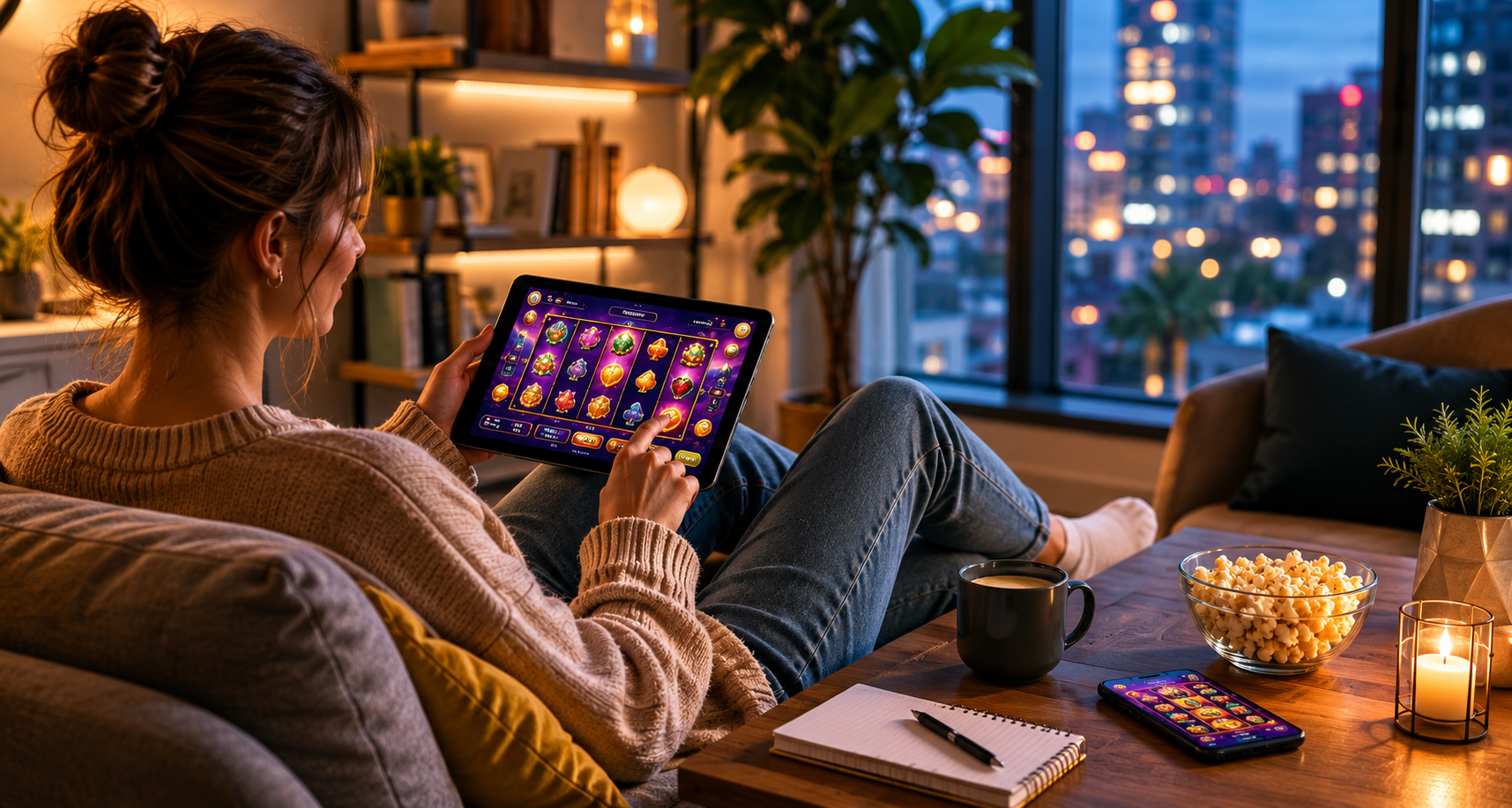
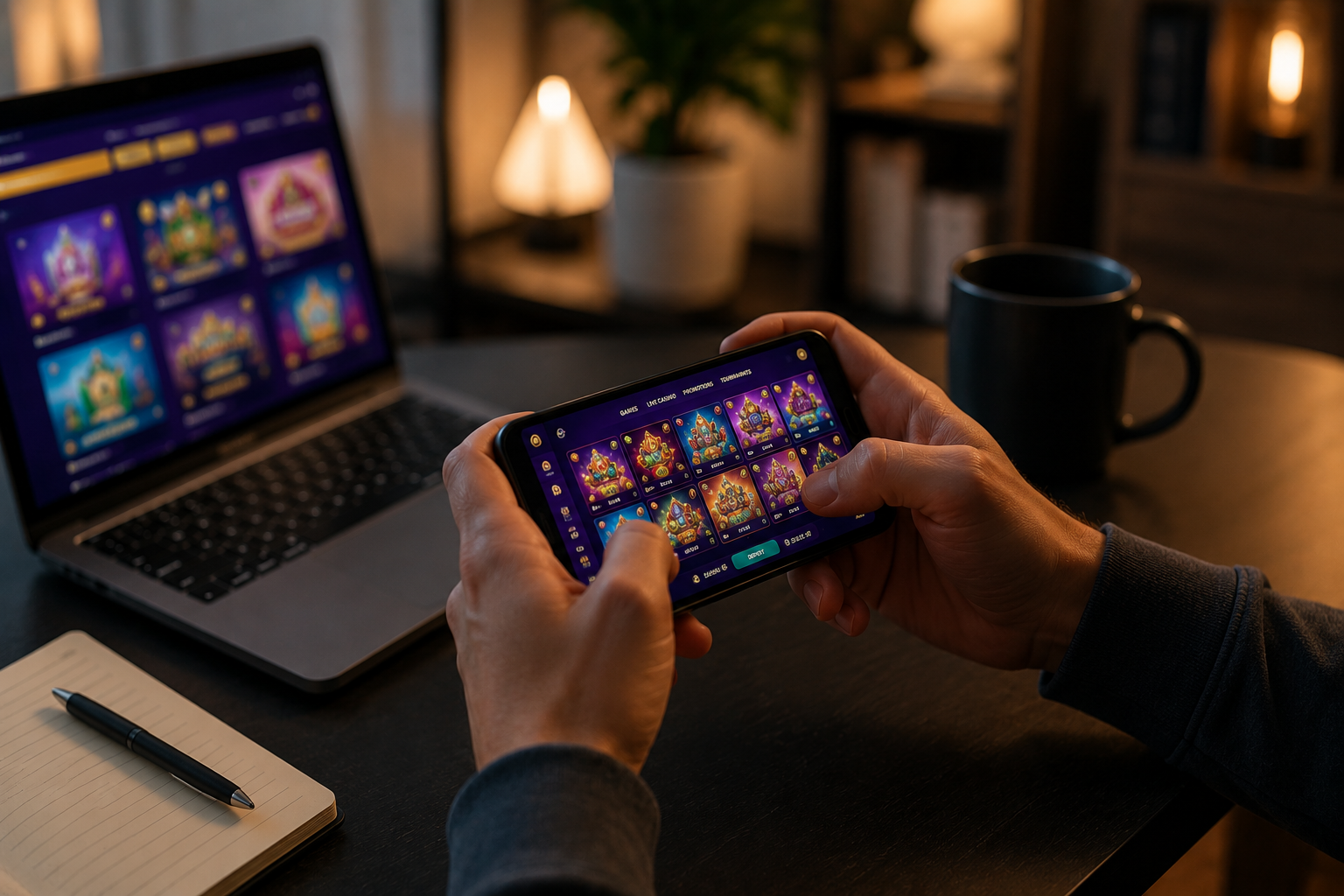
Many people in 2026 prefer entertainment that fits naturally into short periods of free time. Rooksbet reflects this broader trend by giving users access to online gaming activities through mobile devices and desktop platforms without requiring extensive planning or long sessions. The platform supports quick access, straightforward navigation, and a range of entertainment options that align with modern leisure habits. As people continue to combine different forms of digital recreation throughout the day, services like Rooksbet illustrate how online entertainment has become part of everyday routines rather than a separate activity reserved for specific occasions.
Reading Maintains Its Place
Despite constant discussion about digital media, reading remains an important leisure activity.
People consume written content through several formats:
- Printed books
- Electronic books
- Digital magazines
- Online publications
- Long-form newsletters
The format matters less than convenience. Readers often choose whichever option fits their situation.
Someone commuting by train may read on a phone. Another person may prefer a printed novel before bed. Others switch between formats depending on location and available time.
Many readers also combine text with audio. They may listen to part of a book during exercise and continue reading later at home.
This flexibility allows reading to remain relevant within increasingly busy schedules.
Audio Content Gains More Attention
Podcasts, audiobooks, and spoken-word programs continue to expand their audience in 2026.
Audio offers a practical advantage. People can listen while performing other activities.
Common listening situations include:
- Walking outdoors.
- Exercising.
- Commuting.
- Household chores.
- Cooking meals.
Because listeners do not need to focus on a screen, audio fits naturally into many daily routines.
Topics vary widely. News, sports, history, science, business, entertainment, and personal interests all attract significant audiences.
Many people appreciate the ability to learn something new without setting aside dedicated screen time.
Outdoor Activities Remain Important
Technology influences leisure habits, but outdoor recreation continues to hold a strong position.
People still spend free time:
- Walking in parks.
- Cycling.
- Hiking.
- Running.
- Visiting local attractions.
- Attending community events.
Health considerations motivate some participants. Others simply enjoy spending time away from screens.
Many cities now invest in public spaces designed for recreation and social interaction. Walking paths, cycling infrastructure, and open community areas encourage residents to spend time outdoors.
The combination of digital convenience and physical activity defines many modern leisure routines.
Social Interaction Changes but Does Not Disappear
Some observers once predicted that digital entertainment would reduce face-to-face interaction. Reality developed differently.
People continue to value personal connections. They simply maintain relationships through additional channels.
A typical social week might include:
- In-person meetings.
- Video calls.
- Group chats.
- Shared online activities.
- Community events.
Technology expands communication options rather than replacing existing ones.
Friends often coordinate gatherings through digital platforms before meeting in person. Families maintain contact across different cities and countries through video conversations and messaging services.
The result involves more communication channels rather than fewer social connections.
Learning Becomes a Leisure Activity
Many people now use free time to develop new skills.
Online courses, tutorials, workshops, and educational videos attract substantial audiences.
Popular learning topics include:
- Languages.
- Photography.
- Cooking.
- Financial literacy.
- Programming.
- Music.
- Design.
Unlike formal education, leisure learning usually follows personal interests rather than professional requirements.
People appreciate the ability to study at their own pace. Some dedicate only a few minutes each day. Others spend several hours each week exploring subjects they find interesting.
This trend reflects a broader desire for self-improvement without rigid schedules.
The Influence of Mobile Devices
Mobile devices continue to shape how people spend free time.
The average person carries access to entertainment, communication, information, and educational resources throughout the day. This constant availability affects decision-making.
When free time appears unexpectedly, people can immediately choose an activity.
For example, someone waiting for transportation might:
- Read an article.
- Watch a short video.
- Listen to a podcast.
- Play a game.
- Chat with friends.
These small moments add up over time.
Many leisure activities that once required specific equipment or locations now fit inside a pocket-sized device.
People Seek Balance
One interesting trend in 2026 involves balance rather than constant connectivity.
Many individuals actively manage screen time and digital habits. They recognize the benefits of technology while also setting boundaries.
Some people schedule device-free periods. Others prioritize outdoor activities, reading, or social gatherings.
This approach does not reject technology. Instead, it reflects a more deliberate use of available tools.
The goal often centers on enjoyment rather than continuous consumption.
People increasingly evaluate how activities make them feel rather than simply how much time they occupy.
What Free Time Looks Like Today
The modern approach to leisure combines variety, convenience, and personal choice.
Few people limit themselves to a single form of entertainment. Instead, they move between different activities throughout the week. A person may read a book, watch a documentary, exercise outdoors, listen to a podcast, play a game, and meet friends—all within a few days.
This pattern reflects the wider reality of life in 2026.
Technology influences almost every aspect of leisure, yet human preferences remain surprisingly consistent. People still seek relaxation, enjoyment, learning, connection, and meaningful experiences. The methods continue to change, but the underlying goals remain familiar.
As schedules evolve and new forms of entertainment appear, individuals continue to shape their free time around personal interests, available hours, and everyday priorities. The result is not a single dominant activity but a mix of experiences that fit naturally into modern life.
